
The Shift from Biometric Machines to Mobile Attendance in Indian Companies

Attendance tracking has long been a critical part of workforce management in Indian companies. Traditionally, biometric machines—devices that use fingerprint or iris scans—have been the go-to solution for recording employee attendance. Yet, a growing number of companies are moving away from these fixed biometric systems and adopting mobile attendance solutions. This shift reflects changes in technology, workforce dynamics, and business needs.
This article explores why Indian companies are making this change, the benefits of mobile attendance, and what this means for the future of employee management.
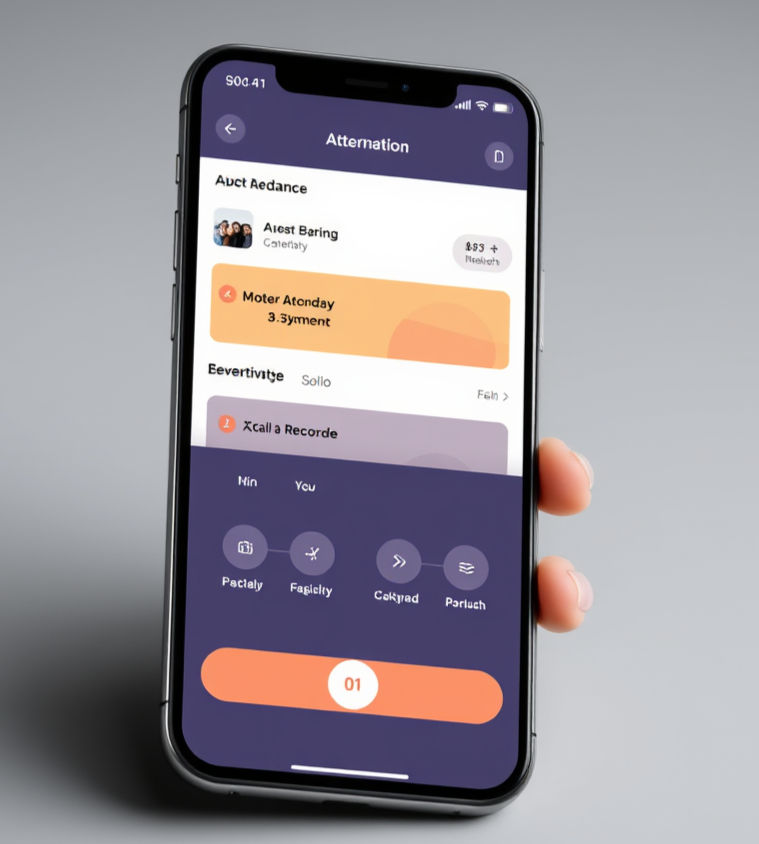
Why Biometric Machines Are Losing Ground
Biometric machines have been popular because they provide a seemingly foolproof way to verify identity and prevent buddy punching (where one employee clocks in for another). However, several challenges have made these machines less attractive:
Fixed Location: Biometric devices are usually installed at office entrances or specific locations. This setup works well for employees who come to a central office but struggles with remote workers, field staff, or those working from multiple sites.
Maintenance and Costs: These machines require regular maintenance, calibration, and sometimes costly repairs. For small and medium enterprises, this adds to operational expenses.
Hygiene Concerns: Especially after the COVID-19 pandemic, shared fingerprint scanners raised health concerns due to frequent physical contact.
Limited Flexibility: Biometric systems often lack integration with other HR tools and cannot easily adapt to flexible work hours or hybrid work models.
These issues have pushed companies to look for more flexible, cost-effective, and user-friendly alternatives.
Advantages of Mobile Attendance Systems
Mobile attendance systems use smartphone apps or web-based platforms to record employee check-ins and check-outs. These systems offer several clear benefits:
Flexibility for Remote and Field Employees
Many Indian companies employ staff who work outside traditional office settings—sales teams, delivery personnel, construction workers, and more. Mobile attendance allows these employees to mark their presence from any location, using GPS verification to confirm their whereabouts.
Reduced Infrastructure Costs
Since mobile attendance relies on employees’ smartphones, companies avoid the upfront investment in biometric hardware and ongoing maintenance costs. This is especially beneficial for startups and small businesses.
Enhanced Hygiene and Safety
Mobile attendance eliminates the need for shared touchpoints, reducing the risk of spreading germs. Employees simply use their own devices, which they control and sanitize.
Integration with HR and Payroll Systems
Modern mobile attendance apps often come with features like leave management, shift scheduling, and real-time reporting. This integration simplifies payroll processing and reduces errors.
Real-Time Monitoring and Analytics
Managers can track attendance data instantly, identify patterns like absenteeism or late arrivals, and make informed decisions quickly. This transparency improves accountability.
Real-World Examples from Indian Companies
Several Indian companies have successfully transitioned to mobile attendance systems, demonstrating the practical benefits.
A logistics company in Mumbai replaced biometric machines with a mobile app that uses GPS tracking. This change helped them manage a fleet of delivery drivers spread across the city, improving punctuality and reducing disputes over attendance.
A software firm in Bengaluru adopted mobile attendance to support its hybrid work model. Employees working from home or client sites could log their hours easily, and HR could generate attendance reports without manual data entry.
A manufacturing unit in Pune used mobile attendance to streamline shift changes and reduce bottlenecks at entry points, improving overall operational efficiency.
These examples show how mobile attendance adapts to diverse industries and work styles.
Addressing Concerns About Mobile Attendance
Despite its advantages, mobile attendance raises some concerns that companies need to address:
Data Privacy: GPS tracking and personal device use require clear policies to protect employee privacy. Companies should be transparent about what data they collect and how it is used.
Device Compatibility: Not all employees may have smartphones or reliable internet access. Companies can provide alternatives or hybrid systems to ensure inclusivity.
Technical Support: Employees may need training and support to use new apps effectively. A smooth onboarding process helps reduce resistance.
By planning carefully, companies can overcome these challenges and maximize the benefits of mobile attendance.
What the Future Holds
The shift to mobile attendance is part of a broader trend toward digital transformation in Indian workplaces. As companies embrace remote work, flexible hours, and cloud-based tools, attendance systems will continue to evolve.
We can expect:
More AI and biometric integration on mobile devices, such as facial recognition through smartphones, combining security with convenience.
Greater use of analytics to predict workforce trends and optimize scheduling.
Increased focus on employee experience, making attendance tracking less intrusive and more user-friendly.
Indian companies that adopt mobile attendance systems position themselves to be more agile, efficient, and responsive to changing workforce needs.
Switching from biometric machines to mobile attendance offers Indian companies a practical way to improve workforce management. It supports diverse work environments, reduces costs, and enhances data accuracy. Companies ready to embrace this change will find it easier to manage attendance in today’s dynamic work landscape.
If your company still relies on traditional biometric systems, consider exploring mobile attendance solutions. The right system can save time, reduce hassle, and help your team stay connected no matter where they work.
Visit : https://www.waqtpe.co.in/


Comments